- About
- Updates
- Gallery
- Useful Links

In many Nepali homes, the school is trusted to handle everything academic — and our teachers work hard to earn that trust. But the truth is that what happens after the school bell rings matters just as much as what happens before it.
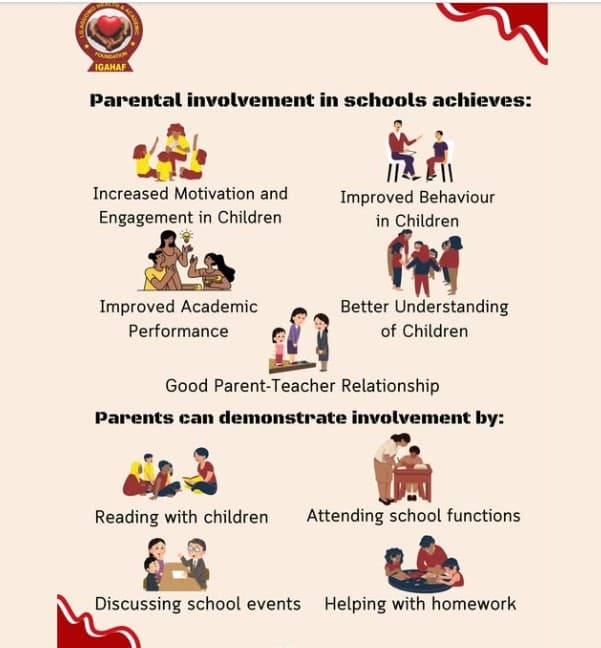
You don't need a degree or fluent English to support your child's learning. What you need is consistency. A fixed time and a quiet corner for homework, even a small table near the kitchen, tells your child that learning is taken seriously in this house. Turning off the television during study hours sends the same message far more powerfully than any lecture.
Ask your child one simple question each evening: "What did you learn today?" Not "Did you finish your homework?" The first question invites them to think and speak; the second only invites a yes or no. Over weeks, this small habit builds confidence and language skills together.
Reading together helps too, even for older children. A few pages of a Nepali story or an English newspaper, discussed over dinner, does more for vocabulary than hours of silent memorisation.
Your involvement need not be perfect. It simply needs to be present. When children see that their parents care about their learning, they begin to care about it themselves.